
Sector
Commercial & Industrial
We’re the strategic product design partner behind commercial and industrial products that stand out, perform every day and lead their market.
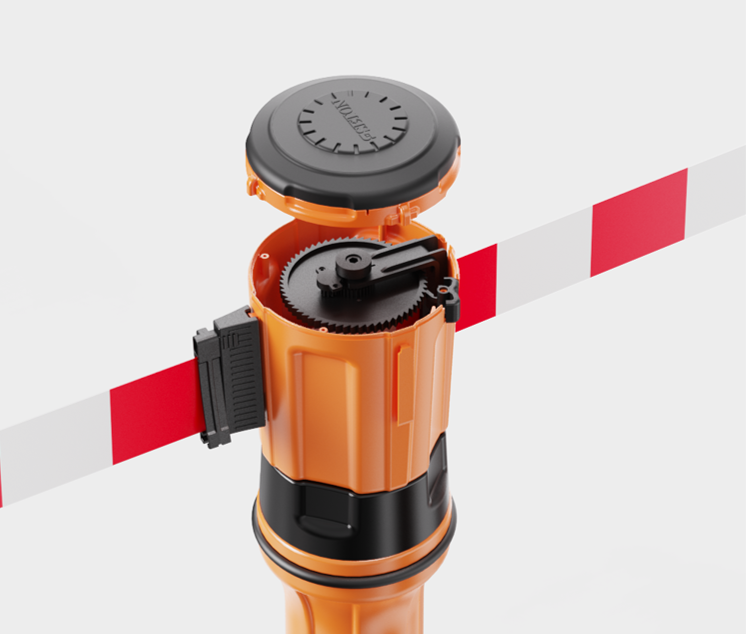
The DESIGN CHALLENGE
Innovative thinking.
Market-leading products.
Rising standards and buyer expectations create a clear opening for commercial and industrial products that are easy to install, use and service.
These products must be robust, safe and cost-effective to make. They must also work for every stakeholder, from buyer to end user.
Buyers weigh cost and compliance. Specifiers want confidence and performance. Installers want speed, while end users want something that’s intuitive to use under pressure.
When a product works well for all of them, it gets specified and wins more orders.
We combine creative thinking with strategic insight and technical rigour to meet all these demands in one design. Our team stays with your programme through to production, so your product reaches the market ready to lead it.
Clients in this sector include:
application areas
Strategic product design that creates a lasting commercial advantage.
Every commercial and industrial product has its own users, standards and commercial pressures. The ones that lead their market get all three right, and that’s what we deliver. We capture requirements early, plan verification and validation from the start and design for assembly and manufacture at every stage. It means you reach production with a robust product and a cost base that puts you ahead of your competitors.
Workplace safety equipment
Commercial equipment for demanding environments
Complexity, feasibility and cost engineering
Mechatronics and integrated systems
A snapshot of our work


RELEVANT CAPABILITIES
The disciplines behind robust, commercially successful products.
Strategy & Research
We combine market insight, user research and technology scoping to build a picture of what’s possible, what’s worth pursuing and what will put your product at the forefront of your sector.
Industrial design and user insight
We go beyond what users say to how they behave. Through in-context observation, user trials and ergonomic studies, we uncover the unspoken needs and habits that shape how your product is specified, handled and used. We then turn those insights into form, ergonomics and interactions that make your product the one people choose and want to keep using.
Mechanical design
Products that stay reliable in demanding conditions. We handle the structural analysis, tolerance work and material selection, and carry the design through to transfer to manufacture.
Electronics and embedded firmware
Full-stack electronics and firmware, developed in the same programme as the mechanical engineering. Sensing, control and connectivity are resolved together, within your regulatory framework.
Batch manufacturing
Small and medium batch additive manufacturing lets you launch, gather field data and refine the design before you commit to tooling and full production volumes.
Transfer to manufacture
We bring down the cost per unit, assembly time and supply chain risk before tooling, and work with your toolmakers and manufacturers on a planned transfer to manufacture.